What to See Underwater in July?
July is an incredible time to scuba dive in Los Cabos, primarily because it marks the arrival of excellent water conditions and prime marine life encounters in the Sea of Cortez.
- Giant Manta in La Ventana
Set your sights on La Ventana, a hidden gem on the Baja California Sur coast, and prepare for an unforgettable encounter with one of the ocean’s most magnificent creatures: the Oceanic manta ray (Manta Birostris) ! During July and August, couple of oceanic manta rays migrate to the northern side of Cerralvo Island, La Ventana, to find food, enjoy cruising current to get clean and rest in these shallow and warm waters. You can observe their mesmerizing movements and interact with them in their natural habitat by snorkeling or diving, an experience that will stay with you forever.
- Silky sharks in Gordo Banks
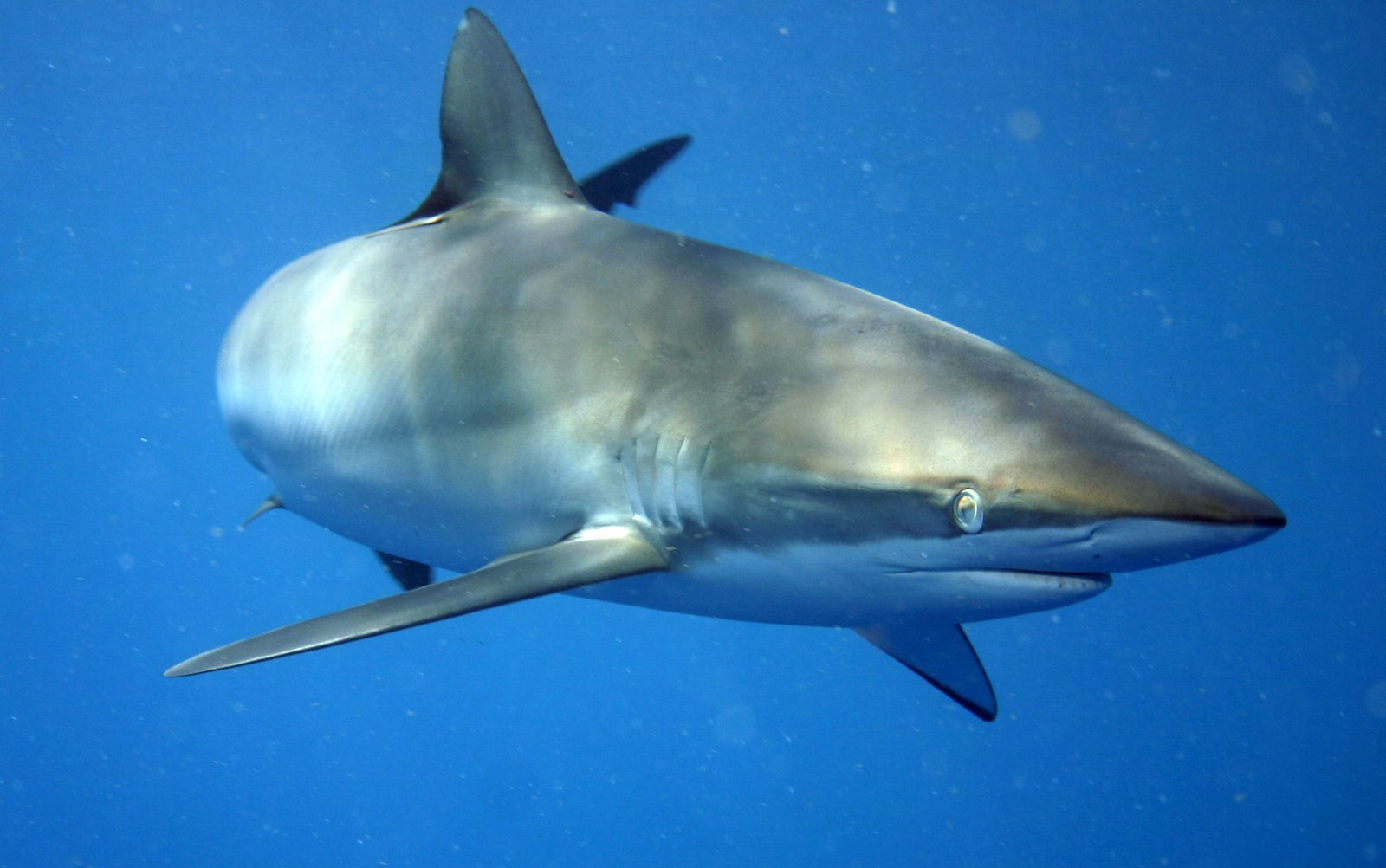
As the waters of the Sea of Cortez warm to a comfortable, summer months are mating season for sharks and silky sharks (Carcharhinus falciformis) often gather in significant numbers offshore. Known for their remarkably smooth skin, hence the name “silky,” these curious and inquisitive sharks are a sight to behold in the clear, blue depths like Gordo Banks. While not always guaranteed, scuba diving in July in Gordo Banks often reports incredible sightings, sometimes even with dozens of silkies gracefully circling the boat, offering thrilling face-to-face encounters.
- Mobula rays in Los Cabos
The Mobula Ray aggregation: thousands of graceful “devil rays” congregate, transforming the ocean into a stage for their mesmerizing “flying sea ballet” is a unique sighting and life experience. By July, the school of rays start descending to the South and stay in the bay and coast of Los Cabos before continuing their route to the Pacific. Whether you’re diving, snorkeling, free diving, or simply observing from a boat, you’ll often see these massive schools launching themselves high out of the water, performing synchronized flips and belly flops – a behavior scientists believe may be related to courtship, communication, or even parasite removal.
- Pregnant Stingrays in Cabo San Lucas
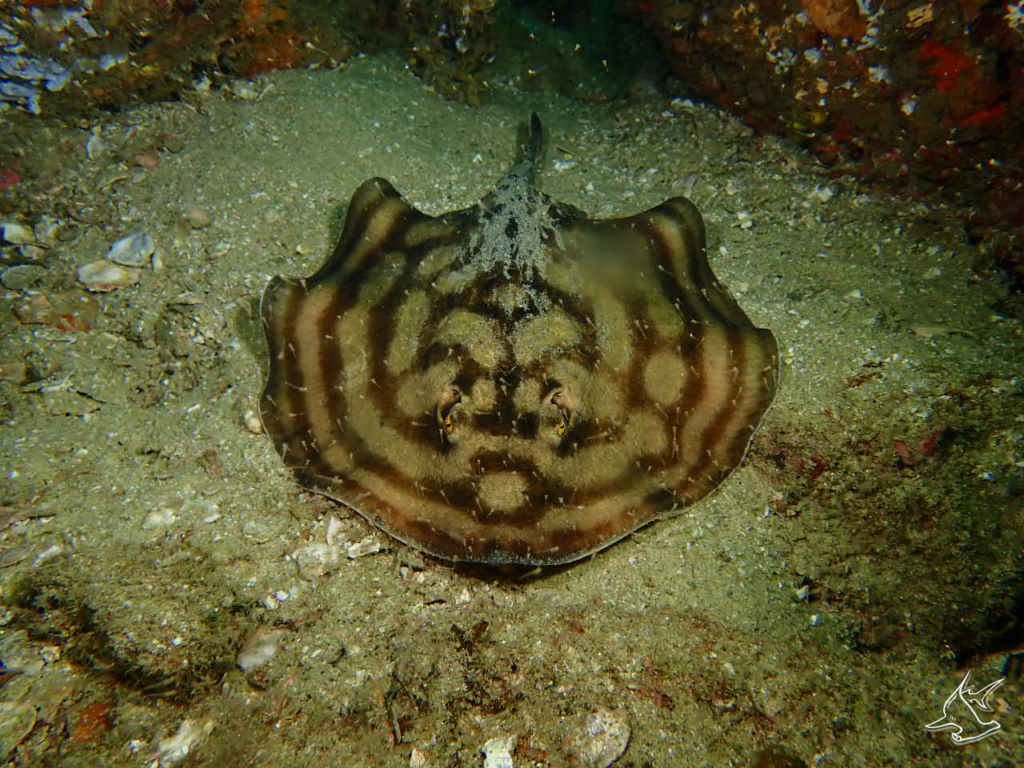
During the month of July, you can observe an amazing phenomenon of Stingrays coming to the shallow waters of Los Cabos to get pregnant. Cortez stingrays, Round Stingrays and Reef stingrays are found resting and foraging in these calm, protected sandy areas. Often found in small groups, only showing their eyes with the rest of their body covered by sand, they choose these sandy havens for gestation and birthing. The dive sites around Cabo San Lucas and the Corridor are ideal nurseries for these incredible creatures.
- School of Mexican Barracudas
As the waters warm and visibility opens up, these sleek, silver predators gather in tightly packed large schools—often numbering in the hundreds—often hovering effortlessly in the current near deep drop-offs or prominent rock formations like Pelican Rock or Land’s End. You will easily recognize the Mexican barracudas (Sphyraena ensis) with their prominent jaws and curious gaze.
- Unicorn Filefish in Cabo San Lucas
Encountering a small group of Unicorn Filefish (Aluterus monoceros) is rare but possible around July in the Cabo San Lucas. With their prehistoric look and long horn, pointing forward directly above their eyes, you can sometimes see them passing over the reefs or cleaning stations near the surface.
- Panamic Sergeant major eggs
A closer look at the reefs in July reveals a miniature marvel: the vibrant nests of Panamic Sergeant major fish eggs (Abudefduf troschelii). The male sergeant major, often sporting a darker, bluish hue, takes care of a purplish or reddish patch that represents the cleaned and guarded nest of thousands of its tiny eggs! Sergeant majors diligently guard these precious eggs, fanning them with their fins to ensure good water flow and fiercely chasing away any potential predators.
July conditions
Water Temp: 71-82°F (22-28°C)
Recommended Suit: 5mm or 3mm wetsuit
Visibility: 30ft–60ft
The Ocean Awaits Explorer !
Contact Us