What to see Underwater in June
Diving in Los Cabos during June marks an exciting transitional period as the region shifts into its summer season.
1. Silky sharks in Gordo Banks
As the waters of the Sea of Cortez warm to a comfortable 78-82°F (25-28°C), summer months are mating season for sharks and silky sharks often gather in significant numbers offshore.
Known for their remarkably smooth skin, hence the name “silky,” these curious and inquisitive sharks can grow to 6-9 feet (2-3 meters) and are a sight to behold in the clear blue shallow water like Gordo Banks. While not always guaranteed, scuba diving in June in Gordo Banks often reports incredible sightings, sometimes even with dozens of silkies gracefully circling the boat, offering thrilling face-to-face encounters.
2. Mobula Munkiana rays in La Ventana/Los Cabos
A truly breathtaking marine spectacle awaits: the annual Mobula Ray aggregation. As the warmer and plankton-rich waters of the Sea of Cortez reach their prime, thousands upon thousands of these graceful “devil rays” congregate, transforming the ocean into a stage for their mesmerizing “flying sea ballet.”
Whether you’re snorkeling, free diving, scuba diving or simply observing from a boat, you’ll often see these massive schools launching themselves high out of the water, performing synchronized flips and belly flops – a behavior scientists believe may be related to courtship, communication, or even parasite removal.
3. Finescale Triggerfish eggs in Cabo San Lucas
During June, female Finescale Triggerfish (Balistes polylepis) scoop out bowl-shaped depressions in the sand or gravel beds and lay a cluster of tiny, translucent eggs directly in the center of these craters. They will then become an incredibly dedicated and aggressive guardian of their eggs by staying directly over the crater, constantly fanning the eggs with their fins to provide fresh oxygen and blowing water on them to keep them clear of shifting sand. You can observe this seasonal behavior in dive sites like Land’s End in the Marine Park of Cabo San Lucas.
4. Pacific Seahorse for macro lovers
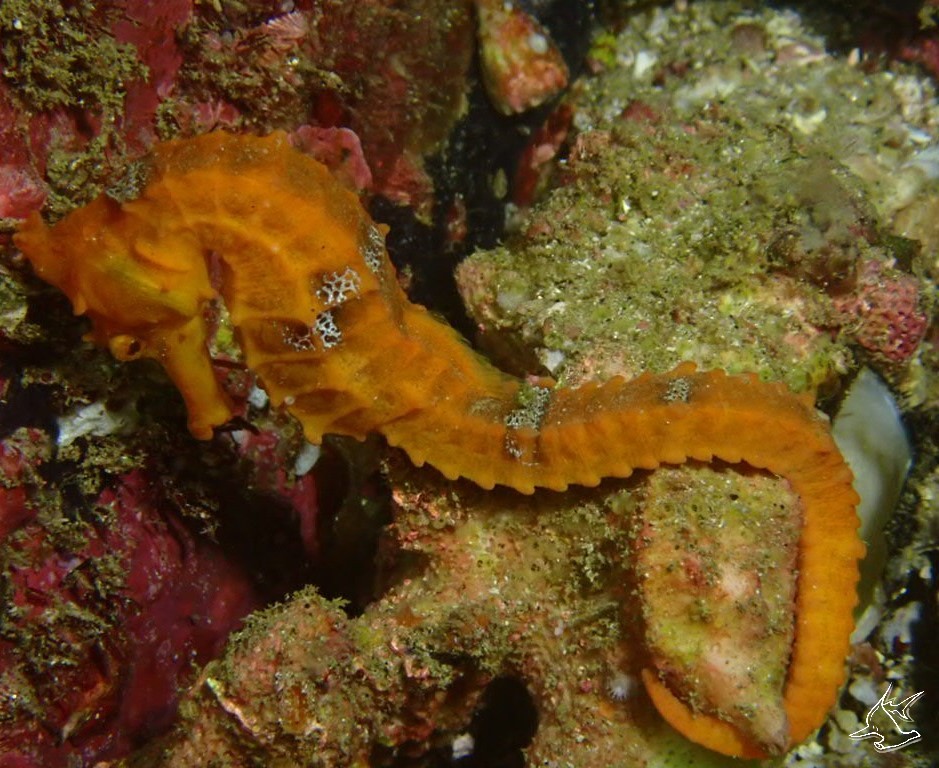
Spotting a Pacific Seahorse (Hippocampus ingens) on local reefs is pretty commun during summer months. From North Wall to Neptune’s finger, these creatures are masters of disguise, staying completely still and blending into their surroundings. They are among the largest seahorse species in the world, capable of growing up to 12 inches (30 cm) in length and use their prehensile tails to anchor themselves to coral trees, sea fans, gorgonians, or even buoy lines to avoid being swept away by the currents.
5. School of Bullseye pufferfish in sandy bottoms
Only during a short time of the year, you will witness schooling Bullseye puffer fish (Sphoeroides annulatus), hovering and patrolling in unison over the shallow and sandy flats of the Sea of Cortez.
6. Lobsters during night dive in Pelican Rock
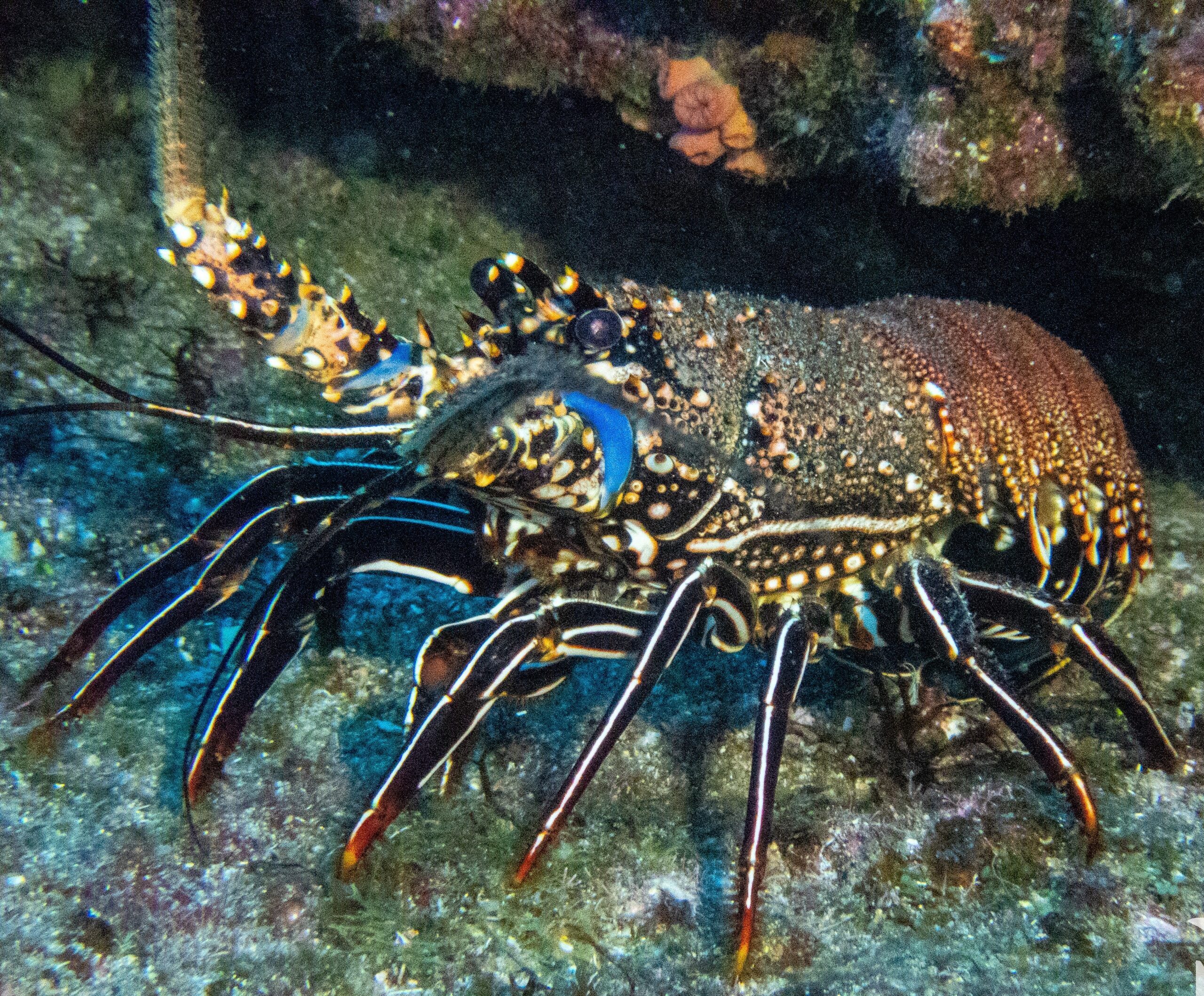
As soon as the sun sets, jump in the water for a night dive and you will see lots of Spiny lobster (Panulirus inflatus) and Slipper lobster (Scyllarides astori) abandoning the safety of their caves and march out onto the rocky reefs to forage for food, including decaying organic matter, snails, sea urchins, and small crabs.
June conditions
Water Temp: 68°F to 84°F (20°C to 29°C)
Recommended Suit: 5mm or 3mm wetsuit
Visibility: 30ft–60ft
The Ocean Awaits Explorer !